
Recurring lift faults.
Find the cause.
Lift fault finding in London for breakdowns that keep coming back. We investigate the history and equipment, explain our findings and agree the repair with you.
Durant Lifts is an independent, family-run maintenance and repair contractor serving London, Kent and the South East.
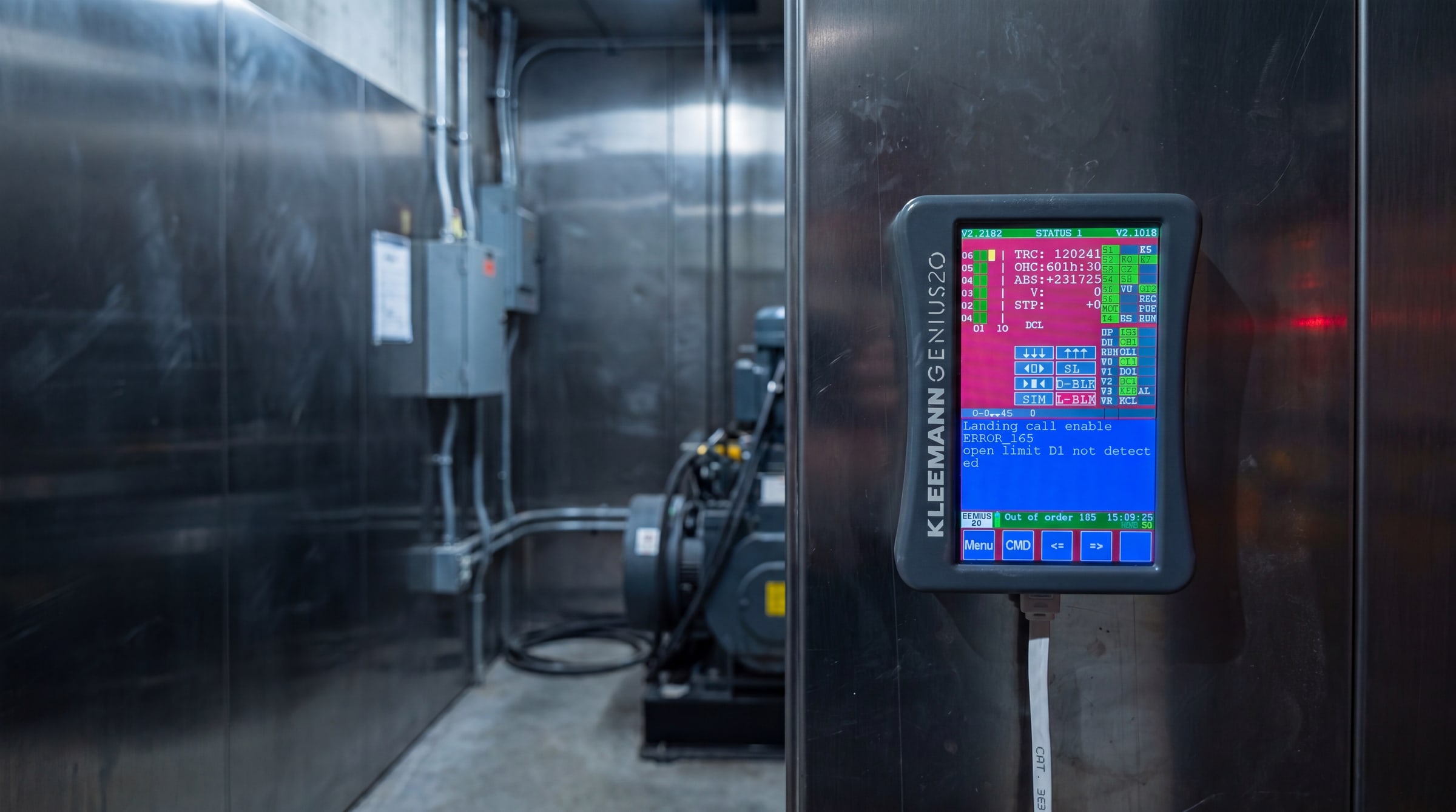
Passengers trapped?
Call the lift emergency number straight away. Wait for trained assistance. Do not force the doors or attempt a release.
When the same fault keeps coming back.
Repeated call-outs need a view of the whole history. A lift that runs again after a reset may still have an unresolved fault.
We work with managing agents, freeholders and facilities teams to investigate recurring breakdowns on residential and commercial lifts.
Build a useful fault history
Share visit reports, dates, affected floors, visible messages and previous repairs. Note whether a fault returns at particular times or after a specific pattern of use.
Check what the symptoms point to
The investigation may involve the controller, drive, doors, sensors or mechanical equipment. A fault code is a starting point; the engineer needs to check it against how the lift is behaving.
Separate findings from the next step
We record what was found, what remains uncertain and the recommended repair or further investigation. Parts and additional work are agreed with you.
We investigate faults and carry out agreed repairs. If your brief requires an impartial specification or statutory thorough examination, a separate consultant or competent examiner may be needed.
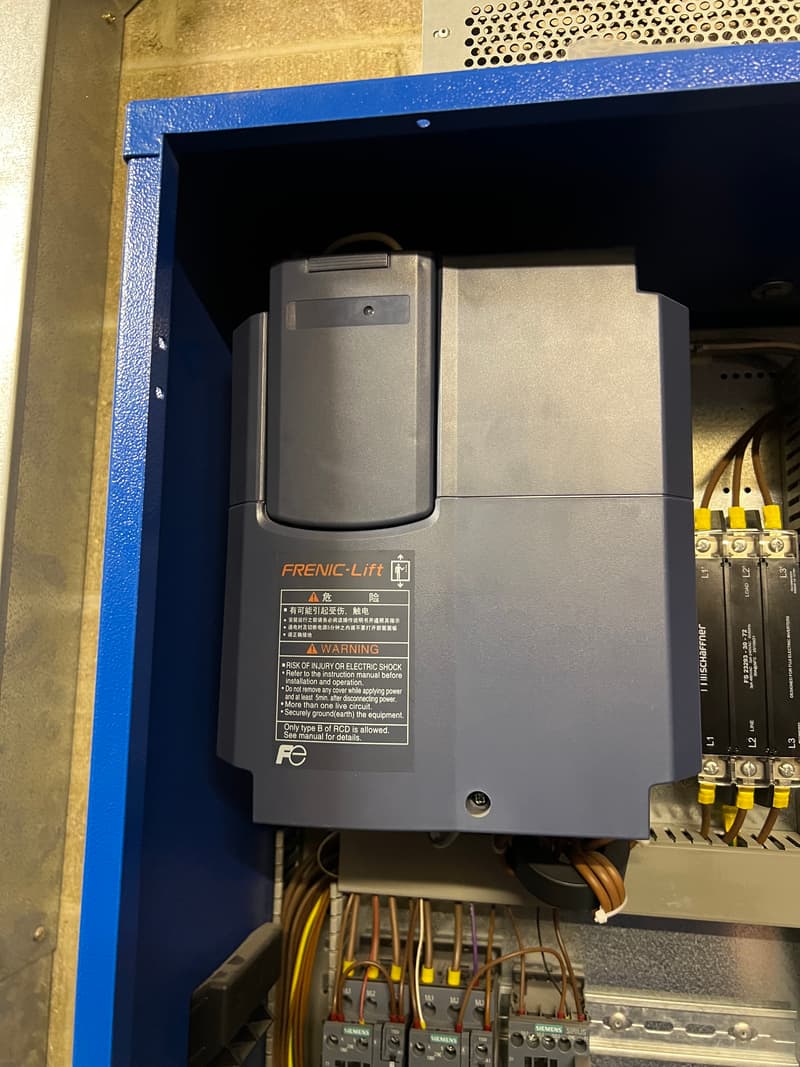
London fault investigation
Recurring breakdowns in a Greenwich block.
A residential building’s eight-person traction lift had generated more than ten call-outs in a matter of weeks.
Durant reviewed recurring controller faults including 011 VVVF FAULT, OC1 OVERCURRENT and F11 OVERLOAD. The work involved drive refurbishment, reprogramming and mechanical brake adjustment.
The published case file includes the fault display, component photographs and the lift back in operation after the final visit.
What is the lift doing?
Start with what you can see. Similar symptoms can have different causes; an engineer needs to check the lift.
Doors will not closeReopening, sticking or stopping at a landing.
Possible causes
An obstruction, a door sensor, worn door gear or alignment.
What we check
Door operators, rollers, tracks, interlocks and safety edges.
Do not force doors or reach into the mechanism.
Lift not moving or keeps stoppingOut of service, repeated stops or a fault message.
Possible causes
Power supply interruptions, drive or controller faults, or a safety circuit stopping the lift.
What we check
Fault history, power supplies, drives, control components and safety circuits.
Note any visible fault message. Leave resets and equipment access to authorised people.
Not level with the landingA step between the lift car and the floor.
Possible causes
Position sensors, worn components, control settings or hydraulic drift.
What we check
Landing accuracy, position feedback, drive or hydraulic operation and relevant mechanical components.
Prevent further use if the lift appears unsafe and follow your site procedure.
Noise or an unusual rideNew vibration, scraping or changes in movement.
Possible causes
Wear, alignment or a problem with moving components.
What we check
Door gear, guides, drive components and ride behaviour, as appropriate to the lift.
Tell us when the noise occurs and which floors are affected. Do not enter equipment areas.
Alarm phone or intercom not workingCalls do not connect or speech cannot be heard.
Possible causes
A line or mobile signal issue, a power supply fault, or a problem with the handset or autodialler.
What we check
Call connection, two-way speech, power supplies and the communication equipment.
Report the fault promptly. Our autodialler service covers lift emergency communication systems.
Buttons or floor display not respondingCalls are not registered or the display is blank.
Possible causes
A button, indicator, wiring or control fault; a priority setting may also affect normal calls.
What we check
Car and landing controls, signals and their connections to the controller.
Note whether the problem affects one floor, the lift car or the whole installation.
Oil leaks or hydraulic driftVisible oil or a car that moves from its stopping position.
Possible causes
A hydraulic leak, valve issue or a problem with the pump or related components.
What we check
The hydraulic circuit, seals, valves, pump operation and stopping behaviour.
Keep people clear of visible oil and report the fault. Do not access the shaft or machinery.
What to do next.
A few clear details help us prepare for the visit. Only record what you can see from a safe position.
- Keep people safe. Prevent further use if the lift appears unsafe and follow your site procedure.
- Note what happened. Record the lift ID, floor, time and any visible fault message.
- Give us the site details. Tell us if anyone is trapped, the address, access arrangements and a callback number.
- Leave equipment access to authorised people. Resets and isolation should follow the lift provider’s instructions.
From fault report to repair.
You should know what we found, what needs doing and what happens next.
Understand the fault
We review the symptoms, fault history and access arrangements, then carry out initial safety checks on site.
Investigate the cause
The engineer checks the relevant systems and records their findings. Intermittent faults may need further investigation.
Agree the repair
We explain the options, any parts needed and the proposed cost before proceeding with the agreed work.
Test and record
After repair, we test the lift as appropriate and record the work, remaining issues and any further recommendations.
A record of every visit.
Recurring faults are easier to investigate when the history is in one place. Durant OS brings together visit logs, engineer notes, fault history and repair recommendations.
Property teams can follow the work and see what still needs attention.
Lift faults, explained.
Answers to common questions about diagnostics and recurring problems.
Can you investigate recurring lift breakdowns in London?
Yes. Durant investigates recurring lift faults across London, Kent and the South East. We review the visit history and symptoms, inspect the relevant equipment and explain the findings, recommended repairs and any further investigation needed.
Can you investigate an intermittent fault if the lift is running?
Yes. Historical reports, fault logs and the conditions when the problem occurs can help an investigation. A fault may not be reproduced during the first visit, so further checks or observation may be needed before the cause is confirmed.
What records should we send for a recurring lift fault?
Send the site address and lift ID, recent visit and repair reports, dates and times of failures, affected floors and any visible fault messages. Only record information available from a safe position; leave access to lift equipment to authorised people.
What is lift fault finding?
Lift fault finding is the diagnostic process used by lift engineers to identify the cause of a fault before repair.
Why is the lift emergency phone not working?
Autodialler or emergency phone faults can be caused by handset issues, line or signal failures, or power and control faults. We test the communication system and explain any work required.
Why do lift doors stop closing?
An obstruction, a door operator fault, a safety edge or alignment problem can prevent doors from closing. An engineer needs to check the door gear and controls to establish the cause.
What causes lift levelling issues?
Levelling problems can be caused by worn components, position sensors, hydraulic drift or control settings. An engineer needs to check the lift before recommending a repair.
How does Durant OS help with lift faults?
Durant OS keeps fault history, engineer notes and visit reports together, helping property teams track recurring problems and recommended repairs.
Lift types we support.
Tell us what’s happening.
Call for urgent faults. For other enquiries, send us the site details and a description of the problem.