Property managers do not need to be lift engineers. What helps is being able to read a fault report or a call from the concierge and know roughly what it means, how serious it is, and whether it can wait until the next visit or needs an engineer now. This guide walks through the faults we are called to most, what each one is telling you, and how to judge urgency.
It is a companion to our 7 step breakdown response plan, which covers what on-site staff should actually do when a lift stops. Here we focus on understanding the faults themselves.
Why lifts fault: a quick mental model
A lift is a chain of safety interlocks. Before the car will move, the controller has to be satisfied that every door is closed and locked, the car is where it thinks it is, and no safety circuit has tripped. If any link in that chain cannot confirm it is safe, the lift stops. This is the system working as designed. It is far better for a lift to stop than to move when it should not.
That model explains most faults you will encounter. The lift is not being temperamental. Something in the safety chain cannot prove it is in a safe state, so the controller has parked the car. The engineer's job is to find which link, and why.
Door faults: the number one cause of callouts
If you only remember one thing, remember that doors cause more lift faults than anything else. The door system is the busiest part of a lift, cycling open and closed hundreds of times a day, and it carries the interlocks that prove the doors are safely shut. Worn door operators, dirty or damaged tracks, faulty safety edges and misaligned interlocks all interrupt the door cycle. When the lift cannot confirm a door is closed and locked, it will not move.
Common signs are doors that stick, judder, reopen for no obvious reason, close slowly, or stop the lift on a particular floor. None of these mean a passenger is in danger from the doors themselves, because the lift refuses to run rather than move unsafely. They do mean reliability is dropping and a full stoppage is likely if left.
Levelling and re-levelling problems
Levelling is how accurately the car stops in line with the landing floor. When a lift stops a few centimetres high or low, that is a levelling fault. It matters for two reasons. First, a step up or down at the threshold is a trip hazard, particularly for older or less mobile passengers. Second, persistent levelling errors point to something needing attention, from worn components to a control or, on a hydraulic lift, an issue in the valve block or pump unit.
If passengers are reporting a step at the door, treat it as a fault to book in promptly rather than an inconvenience to live with. It rarely improves on its own.
Controller and drive faults
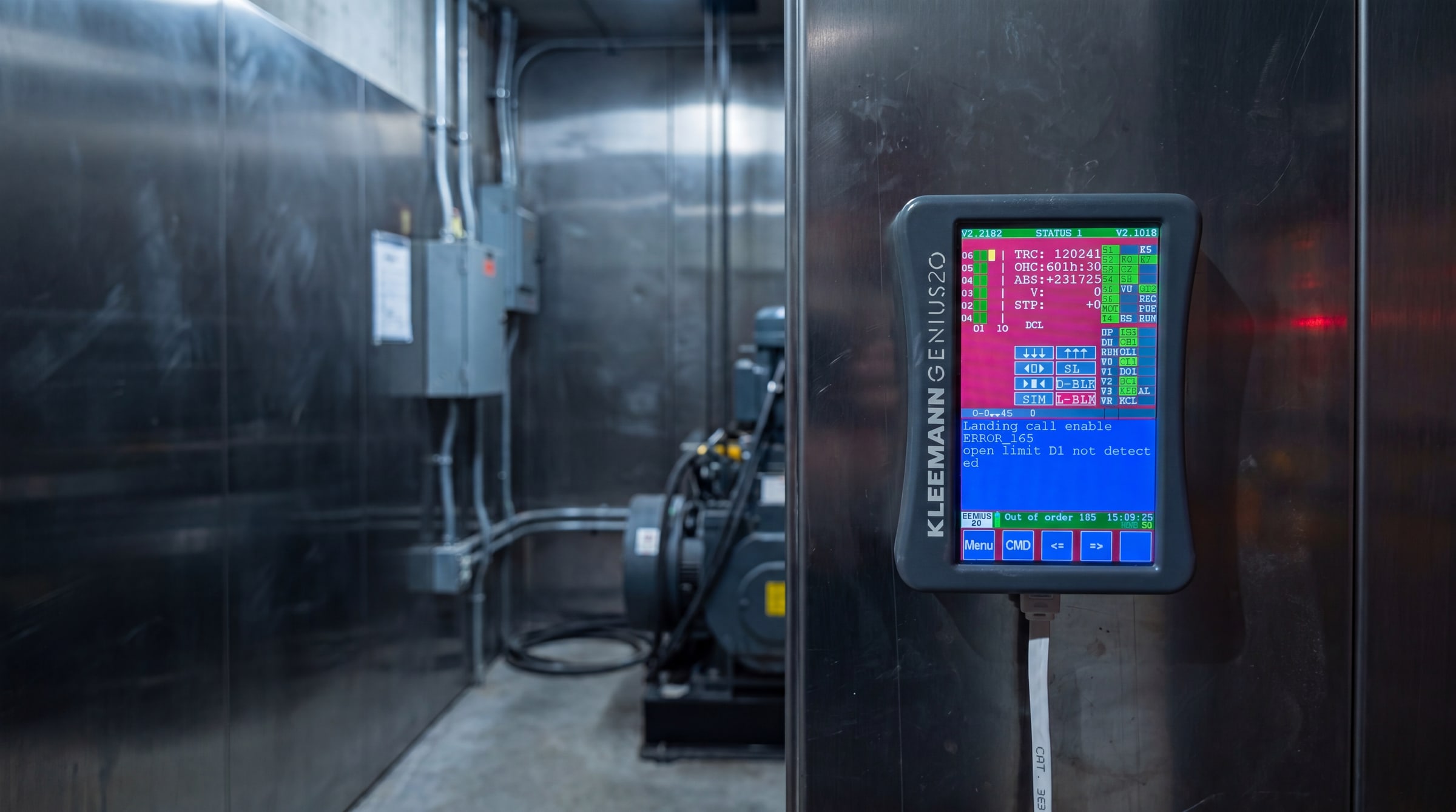
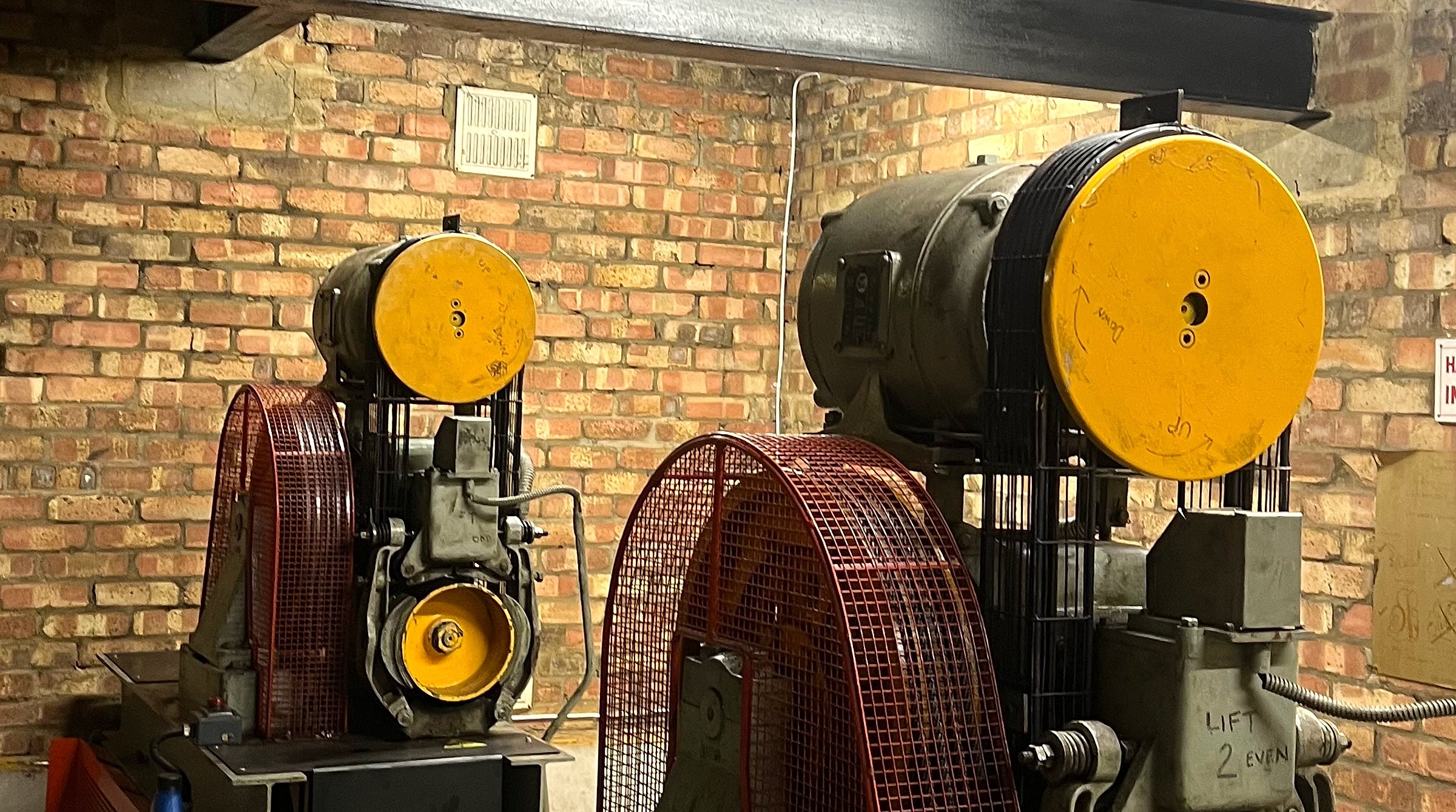
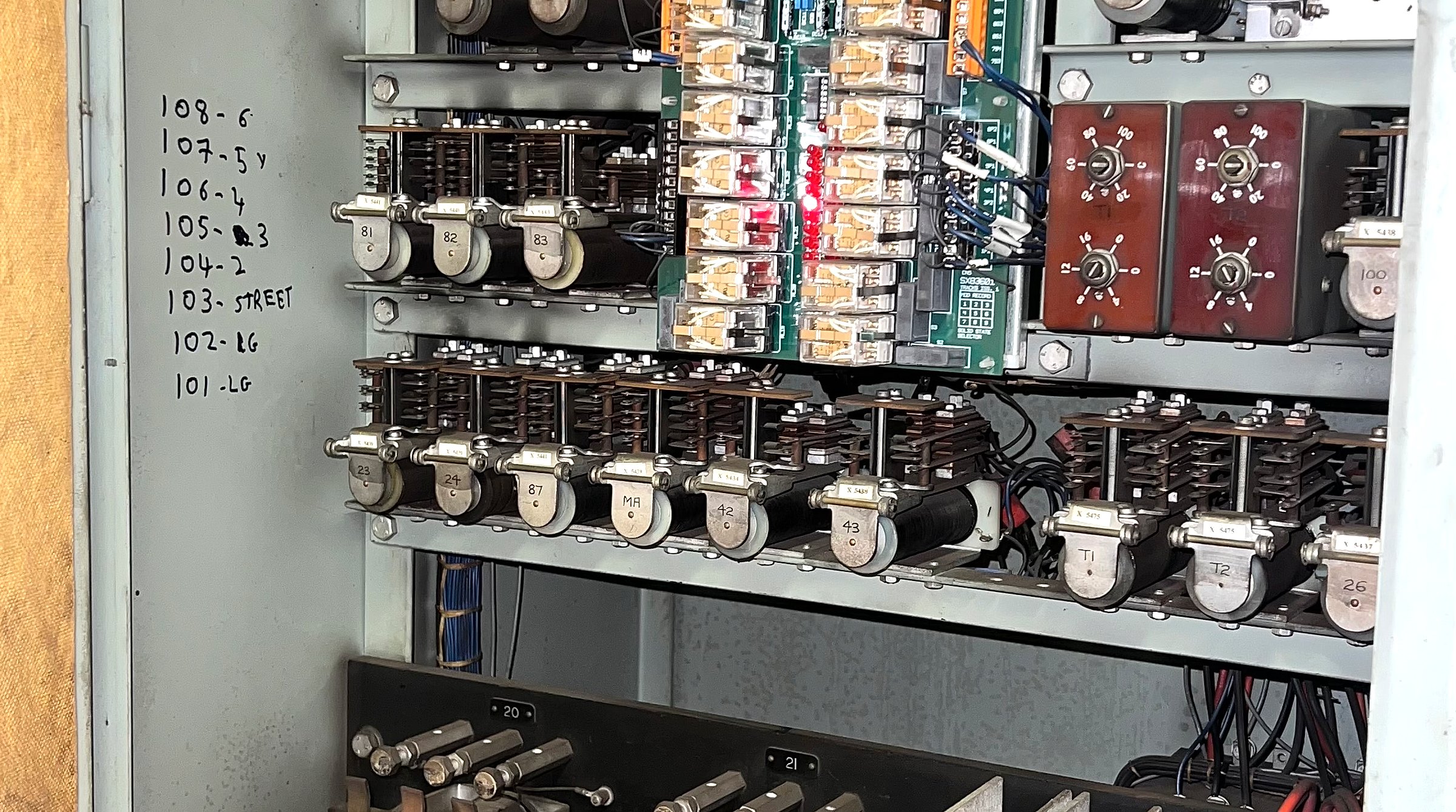
The controller is the brain of the lift, and the drive system is what moves the car. Faults here can show up as a lift that runs roughly, stops between floors, behaves differently at different times of day, or drops out of service and resets. On older lifts, ageing control gear and relays are a frequent culprit. On hydraulic lifts, the symptoms may trace back to the pump unit or valve block rather than to electrical control.
Controller faults are also where intermittent problems tend to live, which makes them the most important to investigate properly. A lift that trips out and then resets itself is telling you something is marginal. Catching it during a planned visit is far cheaper and less disruptive than waiting for it to fail completely during a Monday morning rush.
Nuisance tripping and intermittent faults
The hardest faults to pin down are the ones that come and go. The lift stops, someone presses a button, and it works again, so nothing gets reported. Then it happens again next week. Intermittent faults are usually a component on the edge of failure, a loose connection, or a safety circuit being disturbed by something marginal such as heat, vibration or a worn contact.
The temptation is to ignore a fault that clears itself. Resist it. An intermittent fault is an early warning, and acting on the warning is what keeps a lift out of the full breakdown column. Log every occurrence with the time and floor, because that pattern is exactly what helps an engineer find an elusive fault quickly.
Ride quality: noise, vibration and judder
Not every fault stops the lift. Sometimes the lift runs, but badly. New noises, vibration, judder on starting or stopping, or a ride that feels rougher than it used to are all worth reporting. They rarely mean immediate danger, but they are how a lift signals wear before it turns into a stoppage. A change in how a lift sounds or feels is information, and an engineer who knows the lift can often tell a great deal from a clear description.
A lift that has started making a new noise is not being dramatic. It is giving you notice. The cheapest repair is almost always the one booked before the breakdown, not after.
Is this an emergency? A simple triage
When a fault is reported, the first question is how urgent it is. Use this rough triage.
- Call immediately: anyone trapped in the car, any smell of burning, smoke, or a lift that has moved with the doors open. Treat these as emergencies without exception.
- Same day: the only lift in the building is out of service, the lift is stopping between floors, or there is a clear safety concern such as a significant step at the landing.
- Book in promptly: doors misbehaving on one floor, minor levelling errors, new noises, or intermittent trips on a building with more than one lift in service.
- Note for the next visit: cosmetic issues, a flickering light, a slightly slow door, where the lift is otherwise running safely.
When in doubt, call. An entrapment in particular is never something to manage at arm's length. Our trappings response service exists precisely so that a trapped passenger is reached quickly and released safely.
What you can safely check first
There is very little a non-engineer should do inside a lift, and nothing that involves opening doors, entering the shaft, or touching control gear. What on-site staff can safely do is gather information: which floor the lift stopped on, whether anyone is inside, what the indicator panel shows, whether the fault is on one lift or several, and what the passenger or concierge observed. That information turns a vague callout into a fast diagnosis. Beyond that, the right move is to make the lift safe by keeping people away from it and to call an engineer.
Where Durant Lifts fits in
We diagnose and repair lift faults across London, Kent and the South East, on every major lift brand, with engineers on call 24 hours a day. Recurring and intermittent faults are exactly where our approach pays off, because we log fault history through Durant OS and use it to find the root cause rather than reset the lift and move on. If your building has a lift that keeps faulting, that pattern is solvable, and the history is the way in. See our fault finding service for how we work, or our repairs service for larger jobs.
Have a lift that keeps faulting?
We find and fix recurring lift faults across London, Kent and the South East, on every major brand, with engineers on call 24/7. Tell us the symptoms and we will tell you what is likely going on.