Lift maintenance and repairs across London and the South East
24/7 call outs and trappings | Call 0203 488 4226
Call 0203 488 4226 — 24/7 response

LOLER inspections London & Kent

Independent inspections with clear reporting and practical advice.

We support managing agents across London, Kent and the South East with scheduling, documentation, and compliance guidance.

What LOLER is, why it is required, and who can report

LOLER is a UK legal requirement for lifting equipment used at work. For lift owners and duty holders, it defines how equipment must be examined and how safety findings must be documented.

Definition

What LOLER stands for

LOLER means the Lifting Operations and Lifting Equipment Regulations 1998.

  • Applies to lifting equipment used in work environments.
  • Covers passenger lifts, goods lifts, and other lifting systems in managed buildings.
  • Requires thorough examination by a competent person at the correct intervals.
  • Requires records and defect reporting that duty holders can act on.
Legal Duty

Why LOLER is required

The purpose is to identify deterioration, damage, or unsafe conditions before they become incidents.

  • Helps protect passengers, residents, visitors, and site staff.
  • Supports legal compliance for duty holders, employers, and managing agents.
  • Typical intervals are every 6 months for lifts carrying people and every 12 months for goods-only lifts, unless a written scheme specifies otherwise.
  • Additional examinations may be required after exceptional events, major changes, or significant repair activity.
Competence icon

Competence requirement

A LOLER report must be produced by a competent person with suitable theoretical knowledge, practical inspection experience, and lift safety understanding.

Independence icon

Independence and objectivity

The examiner must be independent enough to make impartial safety decisions, which is why reports are commonly issued by independent inspectors or insurance inspection engineers.

Report icon

What a report should include

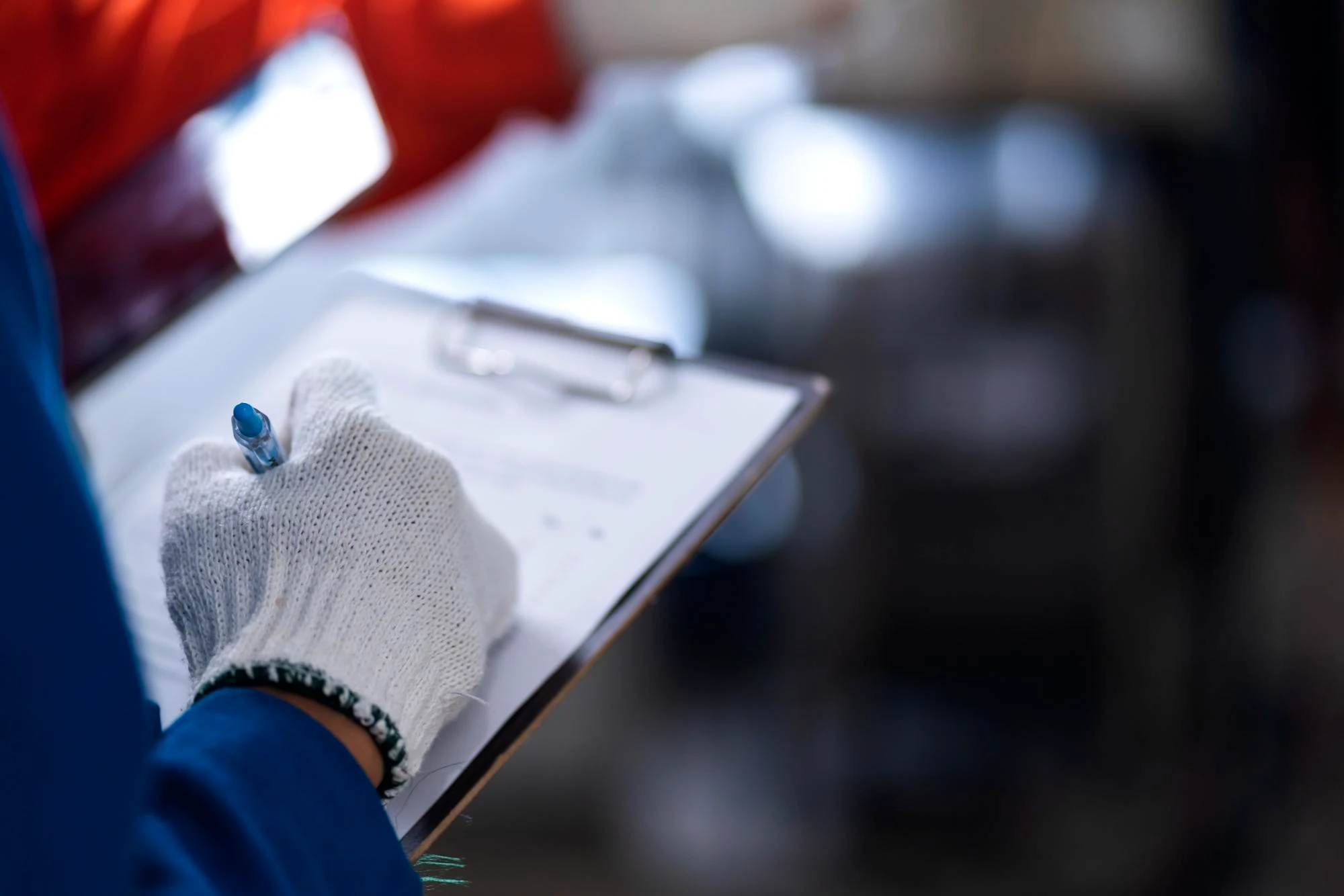
A clear report should identify defects, classify risk, state required actions, and confirm whether continued operation is safe.

How a LOLER inspection runs

A clear process from scope confirmation through report issue and remedial planning.

  1. Asset and scope confirmation

    We confirm lift type, use profile, prior reports, and statutory inspection due dates.

  2. Thorough examination

    A competent person inspects safety-critical systems and operating condition on site.

  3. Defect classification

    Findings are classified by risk so duty holders can prioritise corrective actions correctly.

  4. Report and remedial handover

    You receive clear documentation and practical coordination support for remedial planning.

Who it is for

Duty holders with real compliance accountability

Designed for teams responsible for safety, records, and statutory deadlines.

  • Managing agents and block managers
  • Facilities managers overseeing multi-lift estates
  • Commercial and mixed-use building operators
  • Residential portfolios with passenger lift duty-of-care risk
  • Sites needing independent inspection reporting
Why Durant Lifts

Clear documentation, practical follow-through

Not just a certificate. A report and handover you can use to close compliance actions quickly.

  • Experienced inspection support with compliance focus
  • Clear defect wording and actionable recommendations
  • Scheduling support for 6 and 12-month statutory cycles
  • Coordination with your maintenance provider where needed
  • Transparent communication for audits and duty holder reviews

Need a LOLER inspection plan in place?

We can help schedule inspections, issue clear reports, and coordinate remedial follow-through.

LOLER inspection FAQ

Short answers for inspection frequency, reporting, and compliance.

What does LOLER stand for?

LOLER stands for the Lifting Operations and Lifting Equipment Regulations 1998. It sets legal duties for lifting equipment used at work, including passenger and goods lifts.

Why is LOLER required for lifts?

LOLER is required to reduce safety risk and ensure lifting equipment is thoroughly examined at statutory intervals, with defects recorded and managed by duty holders.

Who can complete a LOLER report?

A LOLER report must be completed by a competent person with the right technical knowledge and enough independence to make objective safety decisions, often an independent inspector or insurance inspection engineer.

How often are LOLER inspections required?

Passenger lifts typically require inspection every 6 months, while goods-only lifts are usually every 12 months.

Do you provide defect classification and reports?

Yes. We provide clear reports with defect classifications, recommendations, and compliance notes for duty holders.

Which types of lifts do you inspect?

We inspect passenger, goods, and commercial lifts across residential, mixed-use, and commercial sites.

Do you cover London and Kent?

Yes. We provide LOLER inspections across London, Kent and the South East.

Can you coordinate with our maintenance provider?

Yes. We work alongside existing maintenance providers and share reports for remedial planning.

Back to top