24/7
Breakdowns, critical faults, and trappings response day or night.

Immediate response for breakdowns, critical faults, and passenger trappings.
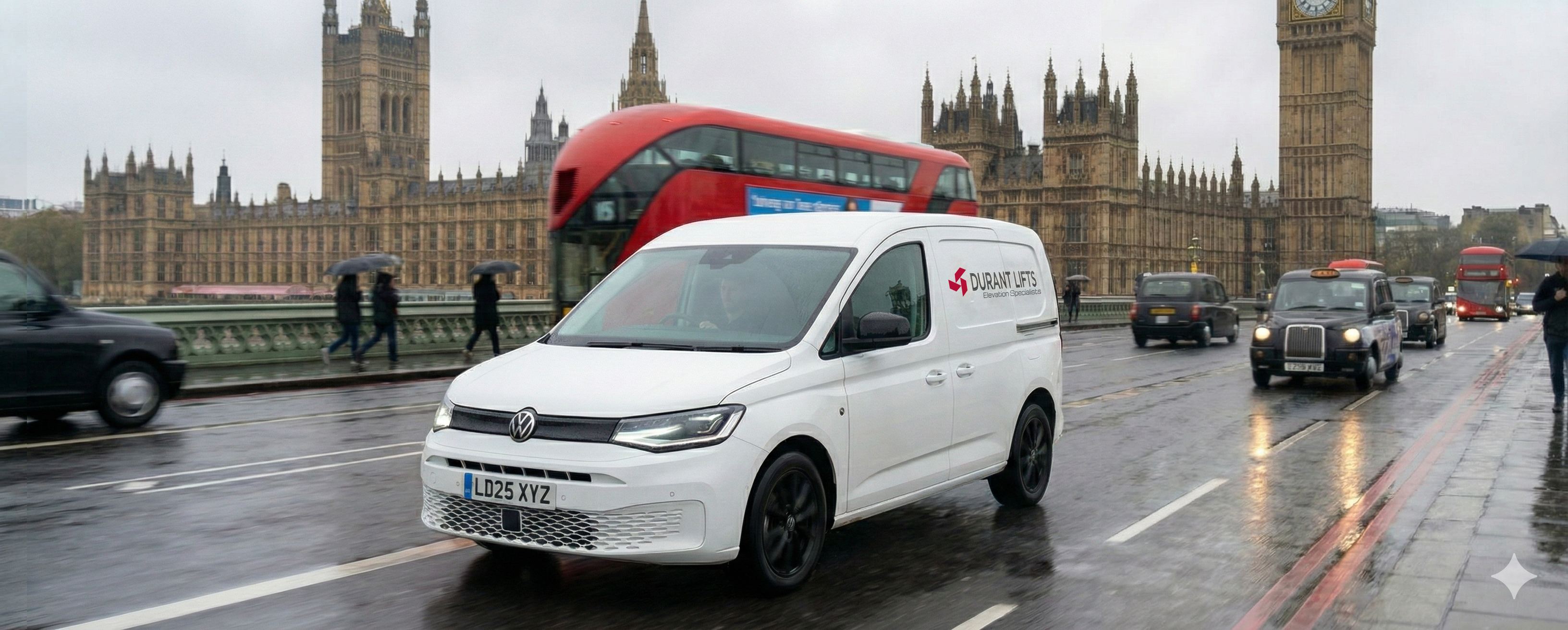
Our engineers attend day and night across London, Kent and the South East with clear escalation, safe procedures, and practical next steps for your team.
Need a written follow-up for duty holders? We provide concise incident reporting after attendance.
When a lift fails, you need safe decisions, clear communication, and a documented close-out your team can act on.
24/7
Breakdowns, critical faults, and trappings response day or night.
94%
Fault source identified on the first engineer attendance.
3.2h
Priority faults returned to safe operation in a single repair window.
A calm first five minutes helps us dispatch and resolve issues faster.
Whether the issue is a trapped passenger, a non-running lift, or repeated controller trips, these details help us prioritise risk and plan safe access.
Response is prioritised by passenger safety, building impact, and safe reinstatement risk.

Safe release procedures, immediate fault checks, and full incident communication.

Doors not proving, repeated reopen cycles, or non-start conditions.

Intermittent trips, persistent fault states, and unsafe restart behaviour.

Mis-level stops, rough travel, or symptoms that indicate unsafe operation.

Alarm phone and emergency communication failures requiring urgent attention.

Testing and verification before reinstatement, with isolation when needed.

Incoming supply issues, phase loss events, or trips affecting lift operation.

Safety-chain interruptions and control faults requiring urgent make-safe response.
From first call to handover report, each stage is structured for safe and efficient recovery.
We assess risk level, collect site details, and dispatch the nearest suitable engineer.
Engineer establishes safe working conditions and confirms immediate passenger risk.
Technical checks identify whether the fault can be safely rectified during attendance.
Safety circuits and operation are tested before any lift is returned to service.
You receive a clear summary of findings, actions taken, and recommended next steps.
Call our emergency line and we will guide site staff with safe holding steps while the engineer is in transit.
Documentation built for managing agents, FM teams, and duty holders.
Sites that need reliable emergency attendance and calm communication.
Use emergency findings to reduce repeat breakdowns and improve planned reliability.
Quick answers for breakdown response, passenger safety, and post-incident reporting.
We respond as fast as possible based on safety risk, access, and location, with 24/7 engineer coverage across London, Kent and the South East.
Keep passengers reassured, do not force doors, confirm lift location, and prepare access details so our engineer can begin safely on arrival.
Yes. We attend trappings incidents with safe release procedures, immediate checks, and clear incident communication.
Please share the exact address, lift location or ID, whether passengers are trapped, and any access limits around plant areas.
We isolate the lift, leave the area in a safe state, and provide a practical repair plan so duty holders can proceed quickly.
Yes. We provide clear post-attendance reporting with findings, actions taken, and recommendations for follow-on work.
No. Emergency attendance is delivered directly by our family run business.
We provide emergency lift call-out coverage across London, Kent and the South East.